

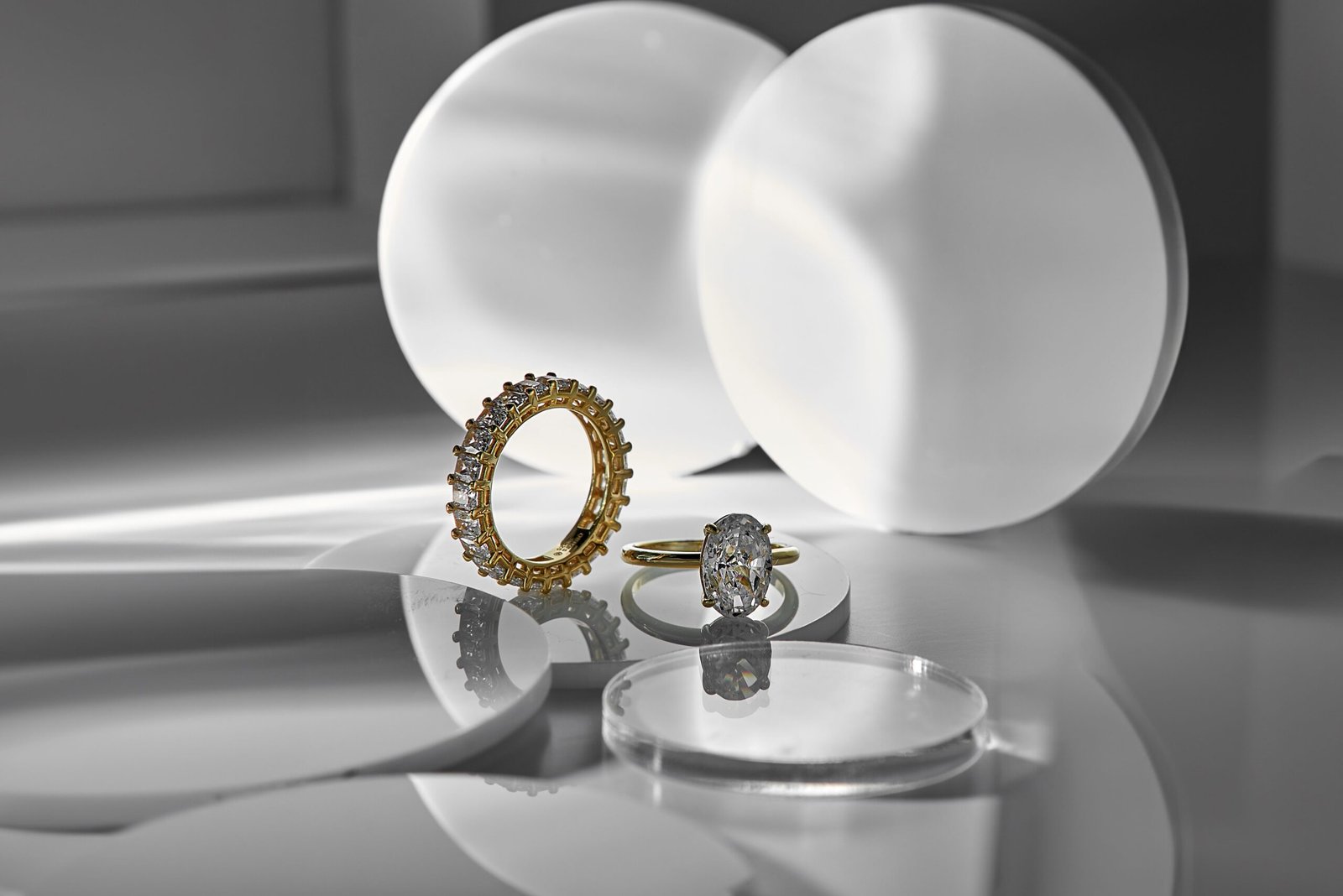
Inherited jewellery may be worth more—or less—than you think. Learn how to evaluate inherited diamond and gold jewellery, identify certifications, estimate value, and avoid common mistakes before selling or insuring it.
Receiving inherited jewellery is often an emotional experience. Whether it’s your grandmother’s diamond ring, your mother’s wedding necklace, or a family heirloom passed down through generations, these pieces carry memories that go far beyond their monetary value.
But at some point, many people ask the same question:
“What is this jewellery actually worth?”
The answer isn’t always straightforward.
Many people assume that older jewellery is automatically valuable, while others underestimate pieces that could be worth a significant amount. The true value depends on several factors, including the materials, gemstones, craftsmanship, brand, condition, and current market demand.
If you’ve recently inherited jewellery, here’s a step-by-step guide to understanding its potential value before making any decisions.
Step 1: Don’t Judge It by Its Appearance
Old doesn’t always mean valuable—and new doesn’t always mean expensive.
A simple-looking ring could contain a high-quality natural diamond, while an elaborate necklace may have more sentimental value than market value.
Avoid making assumptions based on:
- Age
- Size
- Design
- Weight
- Shine
The real value lies in what’s inside the jewellery.
Step 2: Identify the Metal
The first thing to determine is what the jewellery is made of.
Look for hallmarks or stamps such as:
Gold
- 22K
- 18K
- 14K
- 10K
- 916
- 750
- 585
Platinum
Look for markings such as:
- PT950
- Platinum
- 950
Silver
Common markings include:
- 925
- Sterling Silver
The precious metal contributes to the overall value but is only one part of the equation.
Step 3: Check Whether the Stones Are Diamonds or Gemstones
Many inherited jewellery pieces contain:
- Natural diamonds
- Rubies
- Emeralds
- Sapphires
- Pearls
- Other coloured gemstones
It’s important not to assume every clear stone is a diamond.
Similarly, not every red stone is a ruby.
Proper identification requires professional examination using gemological equipment.
Step 4: Look for Any Existing Certificates
Search for:
- Original purchase invoice
- Diamond grading report
- Jewellery appraisal
- Warranty card
- Insurance documents
- Brand packaging
If the jewellery contains a certified diamond, you may find a report from laboratories such as:
- GIA
- IGI
Having original documentation can make it easier to understand the jewellery’s characteristics and provenance.
Step 5: Check for a Laser Inscription
Many modern certified diamonds have a microscopic laser inscription on the girdle.
This inscription often includes the grading report number.
Using magnification, a jeweller or gemologist can check whether the inscription is present and compare it with the grading report.
Step 6: Understand What Actually Determines Value
The value of inherited jewellery isn’t based on just one factor.
Professionals consider several elements, including:
1. Precious Metal
- Gold purity
- Platinum purity
- Weight
2. Diamond Quality
If the jewellery contains natural diamonds, factors include:
- Carat weight
- Color
- Clarity
- Cut
3. Gemstone Quality
For coloured gemstones, value depends on:
- Type
- Origin (where determinable)
- Colour
- Clarity
- Size
- Treatment status
4. Craftsmanship
Exceptional design and manufacturing quality can increase desirability.
5. Brand
Jewellery from well-known luxury houses may carry a premium beyond the intrinsic value of the materials.
6. Condition
Professionals evaluate:
- Wear
- Missing stones
- Repairs
- Damage
- Structural integrity
Step 7: Don’t Rely on the Gold Weight Alone
A common mistake is valuing jewellery based only on its gold weight.
For example:
A diamond ring may contain only a small amount of gold but feature a high-quality natural diamond that contributes significantly to its value.
Likewise, an elaborate gold necklace with lower-quality stones may derive most of its value from the precious metal.
Each component should be assessed separately.
Step 8: Be Careful with Family Stories
Many inherited pieces come with stories like:
- “This diamond is worth millions.”
- “It’s over 100 years old.”
- “It’s extremely rare.”
- “A royal family owned it.”
While these stories are meaningful, they shouldn’t be treated as evidence of market value.
Historical significance or provenance should be supported by documentation whenever possible.
Step 9: Decide Why You Want to Know the Value
Your purpose matters because different situations may require different types of valuations.
You may need an assessment for:
- Insurance
- Estate planning
- Family distribution
- Resale
- Auction
- Personal knowledge
Each purpose can involve a different approach to valuation.
Step 10: Get an Independent Professional Evaluation
The most reliable way to understand your jewellery is to have it examined by a qualified gemologist or an experienced jewellery professional.
A professional evaluation may include:
- Metal testing
- Diamond identification
- Gemstone identification
- Quality assessment
- Measurements
- Hallmark verification
- Documentation review
- Estimated market value (where applicable)
An independent assessment can provide clarity before you decide to sell, insure, redesign, or keep the jewellery.
Common Myths About Inherited Jewellery
Myth 1: Older jewellery is always more valuable.
Reality: Age alone does not determine value. Materials, craftsmanship, rarity, and market demand are equally important.
Myth 2: Bigger diamonds are always worth more.
Reality: Quality characteristics such as cut, color, and clarity also influence value.
Myth 3: Every antique ring contains natural diamonds.
Reality: Older jewellery may contain diamonds, coloured gemstones, synthetic stones, or even glass imitations, depending on when and how it was made.
Myth 4: The purchase price equals today’s value.
Reality: Jewellery values can change over time due to fluctuations in precious metal prices, diamond markets, design trends, and condition.
Warning Signs to Watch For
Exercise caution if:
- Someone offers to buy the jewellery without examining it properly.
- You’re pressured into selling immediately.
- The buyer refuses to explain how they arrived at their offer.
- No documentation or receipt is provided for the transaction.
- You’re encouraged to remove or replace stones before obtaining an independent opinion.
Taking time to understand what you own can help you make more informed decisions.
Quick Checklist for Inherited Jewellery
Before deciding what to do with inherited jewellery, check the following:
- ✔ Look for hallmarks and metal purity stamps.
- ✔ Identify whether the stones are diamonds or coloured gemstones.
- ✔ Search for any original certificates or purchase documents.
- ✔ Check for laser inscriptions on certified diamonds.
- ✔ Evaluate the condition of the jewellery.
- ✔ Consider whether the piece has brand or historical significance.
- ✔ Obtain an independent professional evaluation before selling or insuring it.
Frequently Asked Questions (FAQs)
Can I tell if my inherited diamond is real by looking at it?
Not reliably. Professional testing and examination are the most dependable ways to identify a diamond.
Is inherited jewellery automatically considered antique?
Not necessarily. Inheritance and age are different concepts. Some inherited jewellery may be only a few decades old, while other pieces may qualify as antique based on accepted definitions.
Should I clean inherited jewellery before getting it evaluated?
Basic cleaning may improve its appearance, but avoid harsh chemicals or abrasive methods. If you’re unsure, it’s best to have the piece professionally cleaned after an evaluation.
Can I redesign inherited jewellery?
Yes. Many people choose to redesign inherited jewellery while preserving sentimental elements. Before making permanent changes, consider having it professionally documented and evaluated.
Final Thoughts
Inherited jewellery is more than just a financial asset—it often represents family history, memories, and personal milestones. While it’s natural to wonder about its monetary value, the best approach is to combine careful research with an independent professional evaluation.
Rather than relying on assumptions, family stories, or the weight of the gold alone, take the time to understand the materials, gemstones, craftsmanship, and documentation associated with the piece.
Whether you decide to keep it as a cherished heirloom, insure it, redesign it, or eventually sell it, knowing what you have is the first step toward making a confident and informed decision.