

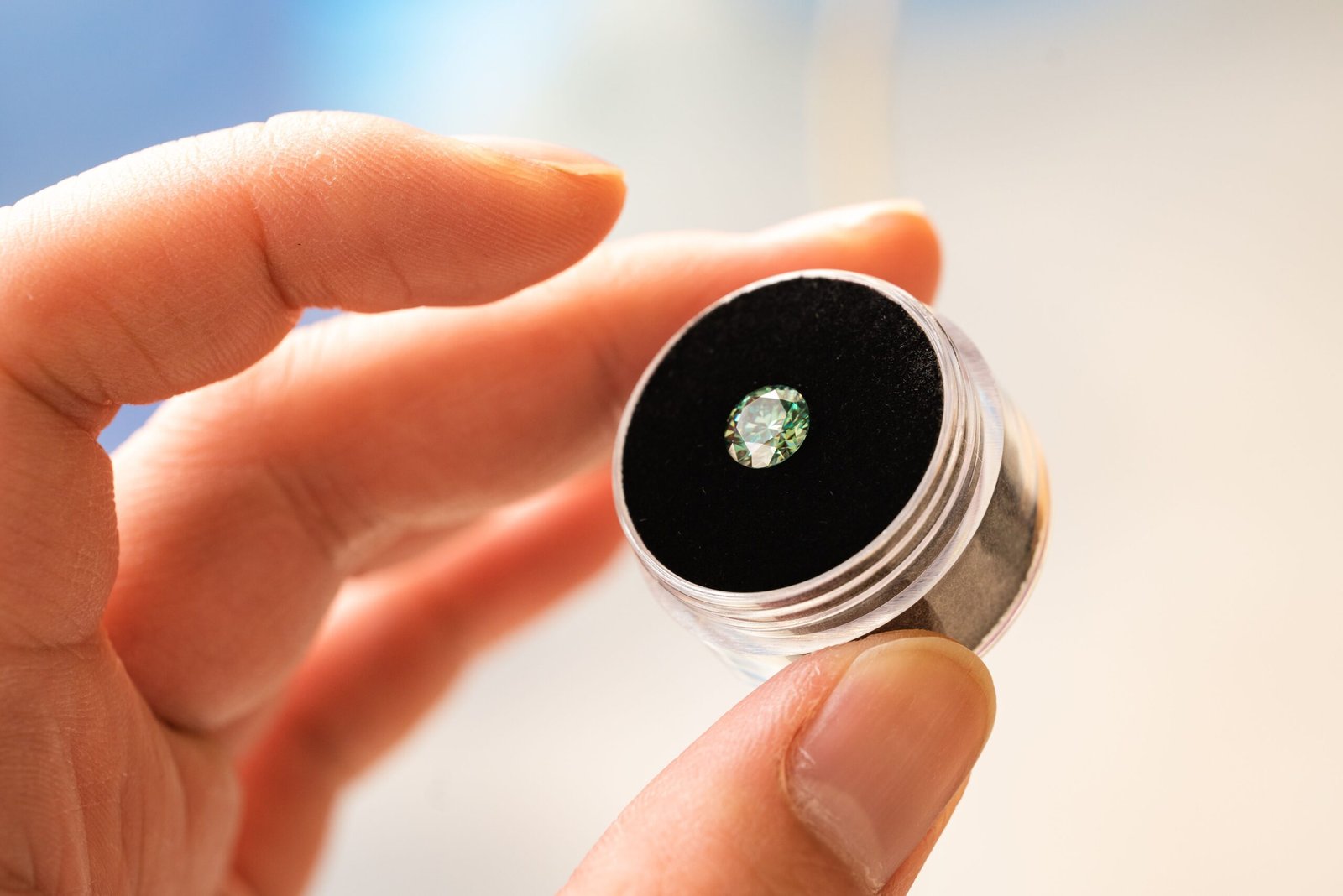
A diamond certificate doesn’t guarantee a fair price. Learn the 5 warning signs that a certified diamond may be overpriced and how to buy smarter.
When shopping for a diamond, many buyers assume that the word “certified” automatically means they’re getting a fair deal. Unfortunately, that’s one of the biggest misconceptions in the diamond industry.
A diamond certificate—whether issued by GIA (Gemological Institute of America) or IGI (International Gemological Institute)—describes a diamond’s characteristics, but it does not determine its value or selling price.
In reality, two diamonds with nearly identical certificates can have significantly different prices. Factors like cut quality, proportions, rarity, brand markups, and retailer pricing all play a role.
So, how can you tell if a “certified” diamond is actually overpriced?
Here are five warning signs every buyer should know before making a purchase.
1. You’re Only Looking at the 4Cs
The **4Cs—Carat, Color, Clarity, and Cut—**are essential, but they don’t tell the entire story.
Many buyers compare diamonds based only on these four grades. However, two diamonds with the same certificate grades can perform very differently in terms of brilliance, sparkle, and overall appearance.
For example:
- Diamond A: 1.00 ct, D Color, VS1 Clarity, Excellent Cut
- Diamond B: 1.00 ct, D Color, VS1 Clarity, Excellent Cut
On paper, they appear identical.
But one may have better proportions, stronger light performance, or superior craftsmanship—making it more desirable and justifying a higher price.
What to do instead:
Look beyond the 4Cs. Ask about:
- Table percentage
- Depth percentage
- Crown angle
- Pavilion angle
- Light performance
- Polish and symmetry
- Fluorescence
A complete evaluation provides a clearer picture of a diamond’s true quality.
2. The Diamond Is Priced Much Higher Than Similar Certified Stones
Certification confirms quality—it doesn’t set the price.
If you compare several diamonds with similar grading reports and one is dramatically more expensive, ask why.
A higher price may be justified if the diamond has:
- Exceptional optical performance
- Superior craftsmanship
- Rare characteristics
- Strong provenance
- Premium after-sales services
However, if the only explanation is “because it’s certified,” that’s not enough.
Tip: Always compare multiple certified diamonds before making a final decision.
3. You’re Paying for Grades You Can’t Actually See
Many buyers believe they need:
- D Color
- FL (Flawless) Clarity
While these are top-tier grades, the visual difference between:
- D and F Color
- VS1 and VVS1 Clarity
is often difficult—or even impossible—to notice without specialized equipment.
Yet the price difference can be substantial.
In many cases, a slightly lower color or clarity grade offers nearly identical appearance at a much better value.
The goal should be finding a diamond that looks beautiful to the naked eye, not simply chasing the highest grades on paper.
4. The Seller Focuses Only on the Certificate
A grading report is an important document, but it doesn’t replace professional guidance.
Be cautious if the conversation revolves only around:
- Carat weight
- Color
- Clarity
- The fact that the diamond is “certified”
A knowledgeable jeweler or gemologist should also discuss:
- Overall visual appearance
- Sparkle and light performance
- Proportions
- Inclusion visibility
- Suitability for your budget and preferences
A certificate is one part of the decision—not the whole story.
5. You Haven’t Compared Multiple Options
One of the biggest reasons people overpay is simple: they stop shopping after seeing the first diamond they like.
Without comparing different certified diamonds, it’s difficult to know whether you’re paying a fair price.
Take the time to compare:
- Similar carat weights
- Comparable color grades
- Similar clarity grades
- Cut quality
- Overall appearance
- Total value offered
Seeing multiple options often highlights differences that aren’t obvious from the certificate alone.
Bonus: A Certificate Doesn’t Include Everything
Even the most respected grading reports don’t assign a price or evaluate every aspect that influences desirability.
A certificate generally does not tell you:
- Whether the asking price is fair
- Current market demand
- Retail markup
- Brand premium
- Design or setting value (for mounted jewelry)
- After-sales service or warranty
That’s why two diamonds with nearly identical grading reports can have noticeably different prices.
How to Avoid Overpaying
Before buying a certified diamond, follow this checklist:
✔ Compare multiple certified diamonds
Don’t rely on a single option.
✔ Understand what you’re paying for
Ask why a diamond costs more than comparable stones.
✔ Prioritize overall beauty
A well-cut diamond with balanced characteristics often appears more beautiful than one with extreme grades in just one category.
✔ Work with a knowledgeable professional
A trusted gemologist or experienced jeweler can explain nuances that a grading report alone cannot.
✔ Verify the certificate
Confirm the report number on the grading laboratory’s official website and ensure it matches the diamond, especially if it has a laser inscription.
Common Myths About Certified Diamonds
Myth: “Certified means it’s fairly priced.”
Reality: Certification confirms the diamond’s characteristics, not its market value.
Myth: “The highest grades are always the best buy.”
Reality: Higher grades often come with steep price increases that may not translate into noticeable visual improvements.
Myth: “Two diamonds with the same certificate are worth exactly the same.”
Reality: Factors such as proportions, craftsmanship, light performance, rarity, retailer pricing, and market conditions can influence value.
Frequently Asked Questions (FAQs)
Does certification guarantee a good deal?
No. A grading report provides an independent assessment of the diamond’s characteristics, but it does not indicate whether the asking price is reasonable.
Why can two similar certified diamonds have different prices?
Differences in proportions, optical performance, craftsmanship, rarity, retailer policies, and market demand can all affect pricing.
Should I always buy the highest color and clarity?
Not necessarily. Many buyers find excellent value in diamonds with slightly lower grades that still appear bright and eye-clean.
Is a higher price always a sign of better quality?
No. While some higher-priced diamonds offer genuine advantages, others may simply reflect brand premiums or retail markups. Comparing multiple options is essential.
Final Thoughts
A diamond certificate is one of the most valuable tools a buyer can have—but it’s only part of the equation.
The smartest purchases come from understanding what the certificate says, what it doesn’t say, and how those details relate to the asking price.
Instead of assuming every certified diamond is worth its price, take time to compare options, ask informed questions, and evaluate the diamond as a whole. A balanced, well-performing diamond that fits your budget is often a better choice than paying a premium for grades that offer little visible difference.